The
story of jazz for the general reader as it has never been told before,
from the inside out: a comprehensive, eloquent, scrupulously researched
page-turner.
In this vivid history of jazz, a respected
critic and a leading scholar capture the excitement of America’s unique
music with intellectual bite, unprecedented insight, and the passion of
unabashed fans. They explain what jazz is, where it came from, and who
created it and why, all within the broader context of American life and
culture. Emphasizing its African American roots, Jazz
traces the history of the music over the last hundred years. From
ragtime and blues to the international craze for swing, from the heated
protests of the avant-garde to the radical diversity of today’s artists,
Jazz describes the
travails and triumphs of musical innovators struggling for work,
respect, and cultural acceptance set against the backdrop of American
history, commerce, and politics. With vibrant photographs by legendary
jazz chronicler Herman Leonard, Jazz is also an arresting visual history of a century of music. 38 photos
Organista estadounidense de jazz y soul jazz, y uno de los músicos pioneros del movimiento acid jazz.
Nacido en Mounds, Oklahoma, Reuben Wilson se trasladó de niño a Pasadena, California, donde tuvo como compañeros de escuela a futuros músicos de jazz como Bobby Hutcherson y Herb Lewis. Wilson aprendió a tocar piano de forma autodidacta, pero cuando un amigo suyo le mostró el órgano Hammond, supo que ése era su instrumento. Sus primeras influencias fueron Billy Larkin de the Delegates y, por supuesto, Jimmy Smith,1 pero pronto derivó su atención hacia el mundo del boxeo. Con 17 años se dirige a Los Ángeles y se casa con una cantante de nightclubs, a través de la cual conoce a un buen número de músicos profesionales, lo que redirige nuevamente sus pasos hacia la música. Wilson, en lugar de dedicarse al piano, se hace con un órgano Hammond, y en poco tiempo se encuentra trabajando con el baterista Eddie Williams, con el guitarrista George Freeman, y con el saxofonista Clifford Scott. El músico permanece en el circuito de Los Ángeles durante unos años antes de probar suerte -sin éxito- en Las Vegas, tras lo cual regresa a Los Ángeles, donde establece una fuerte amistad con el también organista Richard "Groove" Holmes.
En Diciembre de 1966, Wilson se marcha a Nueva York, donde forma el trío de soul jazz the Wildcare Express con el baterista Tommy Derrick. Tras seis meses de trabajo, el organista decide concentrarse en variaciones más complejas dentro del estilo, introduciendo elementos más bop, lo que atrae a músicos como Grant Green, Roy Haynes, o Sam Rivers a la banda de WIlson. En esa época, la prestigiosa Blue Note Records le ofrece un contrato que Wilson no duda en aceptar.
El primer disco de Wilson con el nuevo sello ve la luz en 1968, bajo el título "On Broadway". En marzo de 1969 publica "Love Bug", con Lee Morgan, mientras que "Blue Mode" se edita en diciembre de ese mismo año. En 1970 sale a la venta "A Groovy Situation", en la nueva dirección, más comercial, que estaban siguiendo la mayoría de los artistas de Blue Note. "Set Us Free", de 1971, señala el fin de la relación de Wilson con la famosa editorial, pero éste sigue editando trabajos bajo otros señños menos conocidos durante el resto de la década, además de llevar a cabo trabajos de sesión con distintos artistas de funk y de jazz. Durante el final de la década de los 70, Wilson sólo graba esporádicamente y finalmente, a principios de los 80 tiene lugar su retiro.
En 1995, en pleno auge del movimiento acid jazz, y tras el redescubrimiento de su música en samples de artistas como A Tribe Called Quest, Us3, o Brand New Heaviess, Reuben Wilson vuelve a los escenarios con el proyecto Jazzmatazz de DJ Guru. En 1996 firma con el sello Hip Bop para editar dos álbumes, y desde entonces la actividad de estudio de Reuben Wilson ha sido incesante.
Referencia imprescindible en la historia del funk y del órgano Hammond,1 Reuben Wilson fue uno de los muchos organistas de soul jazz que emergieron a finales de la década de los 60, con la suerte de estar entre los pocos que lograron firmar con Blue Note Records. En una época en la que la editorial apostaba por una dirección menos purista, ninguno de sus trabajos para el sello lograron una fuerte aceptación en su época, pero fueron redescubiertos mucho más tarde por una nueva generación de fans que no desdeñaban sus licencias comerciales para convertirse instantáneamente en objetos de culto entre los aficionados al género.2 La música de Wilson, una mezcla de jazz, pop, jazz fusion y funk inspiró a gente como Sly Stone y George Clinton,1 y a través de los trabajos de los artistas del sello "Acid Jazz", de Gilles Peterson y de los samples de DJs contemporáneos, continúa ejerciendo una profunda influencia en la escena musical.
///////
Reuben Wilson (born April 9, 1935) is a jazz organist. He performs soul jazz and acid jazz, and is best known for his title track "Got To Get Your Own".
He was born in Mounds, Oklahoma and his family moved to Pasadena when he was 5. He played with in L.A. with drummer Al Bartee, then moved to New York to begin a recording career. In addition to playing with jazz greats Melvin Sparks and Willis Jackson, Wilson led the local band Wildare Express. He remains an active musician, and still resides in New York City.
On five CDs of which this is the final one, Lone Hill Jazz has reissued all of the record dates led by Illinois Jacquet between 1956 and 1966. Twenty years after first recording "Flying Home," Jacquet was still very much in his playing prime in the '60s. This particular CD reissues 1966's Go Power!, a live trio outing with organist Milt Buckner and drummer Alan Dawson. Buckner's pre-Jimmy Smith style of organ sounds a bit archaic in spots (his basslines sometimes seem to be emulating a tuba) and he can go a bit over the top but he certainly swings hard. While Dawson drives the ensembles, Jacquet easily takes solo honors, mostly sticking to familiar material. "Illinois Jacquet Flies Again" is a very thinly disguised "Flying Home," and Jacquet takes a jivey vocal on "Watermelon Man" that contributes to the spirit of this lively good-time set. The final five bonus selections on this CD are alternate takes drawn from a 1962 album with an orchestra whose main fault is the brevity of the selections. Certainly "Ydeen-O," a jam piece with trumpeter Roy Eldridge and Sir Charles Thompson, should have lasted several times two-and-a-quarter minutes. Jacquet plays well throughout as always and this CD, along with the four previous ones, are easily recommended to his many fans.
///////
Reseña de Scott Yanow
En cinco CDs de los cuales este es el último, Lone Hill Jazz ha reeditado todas las fechas de grabación lideradas por Illinois Jacquet entre 1956 y 1966. Veinte años después de la primera grabación de "Flying Home", Jacquet todavía estaba en su mejor momento en los 60. Este CD en particular reedita Go Power! de 1966, una salida en trío en vivo con el organista Milt Buckner y el baterista Alan Dawson. El estilo de órgano de Buckner antes de Jimmy Smith suena un poco arcaico en los puntos (sus líneas de bajo a veces parecen emular una tuba) y puede ir un poco más allá de la cima pero ciertamente se balancea con fuerza. Mientras que Dawson dirige los conjuntos, Jacquet fácilmente toma los honores de solista, sobre todo apegándose al material familiar. "Illinois Jacquet vuela de nuevo" es un muy poco disfrazado "Volando a casa", y Jacquet toma una voz jivey en "El hombre sandía" que contribuye al espíritu de este animado conjunto de buenos momentos. Las cinco últimas selecciones de bonos en este CD son tomas alternas tomadas de un álbum de 1962 con una orquesta cuyo principal defecto es la brevedad de las selecciones. Ciertamente "Ydeen-O", una pieza de improvisación con el trompetista Roy Eldridge y Sir Charles Thompson, debería haber durado varias veces dos minutos y cuarto. Jacquet toca bien como siempre y este CD, junto con los cuatro anteriores, son fácilmente recomendables a sus muchos fans.
George Benson's facile post-Wes Montgomery single-line and chord-accented style was well received in his salad days of the mid- to late '60s. Primarily self-taught and ear-trained, he made great strides in a five-year period around his native Pittsburgh, working with organist Jack McDuff on the East Coast chitlin circuit. As the soul-jazz and boogaloo movement was establishing itself, Benson was right in the pocket, as these seminal mid-'60s sessions perfectly illustrate. In tandem with saxophonist Red Holloway, the two Prestige label LPs New Boss Guitar and Hot Barbeque were initially reissued in 1977 on a vinyl two-fer, and now on this single CD. The first two tracks, "Shadow Dancers" and "The Sweet Alice Blues," sans McDuff though toeing the groove line, are the most original and modern numbers. The remaining tracks on the New Boss Guitar 1964 dates add McDuff, with "Just Another Sunday" a gold standard for the emerging style. Benson's balladic expertise during "Easy Living" is as impressive as in the different dynamic of the rompin' stompin' "Rock-A-Bye." From May Day of 1965, the title cut and original version of "Hot Barbeque" has become an all-time hit and ultimate groove biscuit. Drummer Joe Dukes is the difference maker, as his fluid ease in either swinging or mixing hard bop with R&B fifty-fifty effectively drives the band so simply. "Briar Patch" approaches rock & roll, while "Hippy Dip" shows a completely unified Benson and McDuff on a fun melody line. A most arresting high-register organ sound, near unearthly, surrounds an easy swing on "The Party's Over." In addition, check out the slow late-night blues "I Don't Know" (from the 1964 dates) and "Cry Me a River" from 1965. Although Benson would reach a zenith in his short career as a jazz musician during this period, before abandoning its purity for commercial pop singing, Holloway and McDuff went on and on and on to their own great acclaim. This is Benson's initial emergence, and a valuable reminder of how great he once was.
///////
Revisión por Michael G. Nastos
El estilo sencillo de George Benson después de Wes Montgomery de una sola línea y con acorde de acorde fue bien recibido en sus días de ensaladas de mediados a finales de los sesenta. Principalmente autodidacta y entrenado para el oído, hizo grandes progresos en un período de cinco años en torno a su Pittsburgh natal, trabajando con el organista Jack McDuff en el circuito de Chitlin de la costa este. Cuando el movimiento de soul-jazz y boogaloo se estaba estableciendo, Benson estaba justo en el bolsillo, como ilustran perfectamente estas sesiones seminales de mediados de los 60. Conjuntamente con el saxofonista Red Holloway, los dos LP de la marca Prestige, New Boss Guitar y Hot Barbeque, se reeditaron inicialmente en 1977 con un vinilo doble, y ahora en este único CD. Los dos primeros temas, "Shadow Dancers" y "The Sweet Alice Blues", sin McDuff, aunque siguen la línea de ritmo, son los números más originales y modernos. Las canciones restantes en las fechas de New Boss Guitar 1964 agregan a McDuff, con "Just Another Sunday" un estándar de oro para el estilo emergente. La experiencia bádica de Benson durante "Easy Living" es tan impresionante como en la dinámica diferente del rompeolas "Rock-A-Bye". Desde el Primero de Mayo de 1965, el corte de título y la versión original de "Hot Barbeque" se han convertido en un éxito de todos los tiempos y la mejor galleta. El baterista Joe Dukes es el creador de la diferencia, ya que su facilidad fluida, ya sea en el swing o la mezcla de hard bop con R&B cincuenta y cincuenta, hace que la banda sea tan sencilla. "Briar Patch" se acerca al rock & roll, mientras que "Hippy Dip" muestra a Benson y McDuff completamente unificados en una línea de melodía divertida. Un sonido de órgano de alto registro más llamativo, casi sobrenatural, envuelve un swing fácil en "The Party's Over". Además, echa un vistazo al lento blues nocturno "I Don't Know" (de las fechas de 1964) y "Cry Me a River" de 1965. Aunque Benson alcanzaría un cenit en su corta carrera como músico de jazz durante este período, antes de abandonar su pureza para el canto pop comercial, Holloway y McDuff siguieron y siguieron y ganaron su gran aclamación. Esta es la emergencia inicial de Benson, y un valioso recordatorio de cuán grande fue alguna vez.
Hush! is the fifth album by American pianist and arranger Duke Pearson recorded in 1962 and released on the short-lived Jazzline label in 1962 as The Duke Pearson Quintet. Hush! features performances by an unusual quintet featuring two trumpeters, Donald Byrd, and Johnny Coles. The album was later reissued on the Polydor label and in 1989 released on CD under Byrd's & Coles' name on the Black Lion label as Groovin' for Nat with additional takes and unissued tracks. It has been subsequently released on other labels, particularly under Donald Byrd's name. It was released on digital media by the Blue Velvet label as "Duke Pearson: Hush", including the bonus tracks, in 2017.
Biography by Richard S. Ginell Duke Pearson was an accomplished, lyrical, and logical -- if rather cautious -- pianist who played a big part in shaping the Blue Note label's hard bop direction in the 1960s as a producer. He will probably be best remembered for writing several attractive, catchy pieces, the most memorable being the moody "Cristo Redentor" for Donald Byrd, "Sweet Honey Bee" for himself and Lee Morgan, and "Jeannine," which has become a much-covered jazz standard. Pearson was introduced to brass instruments and the piano as a youth, and his abilities on the latter inspired his uncle, an Ellington admirer, to give him his nickname. Dental problems forced Pearson to abandon the brass family, so he worked as a pianist in Atlanta and elsewhere in Georgia and Florida before moving to New York in 1959. There, he joined Donald Byrd's band and the Art Farmer-Benny Golson Sextet, and served as Nancy Wilson's accompanist. In 1963, he arranged four numbers for jazz septet and eight-voice choir on Byrd's innovative A New Perspective album; one of the tunes was "Cristo Redentor," which became a jazz hit. From 1963 to 1970, Pearson was in charge of several recording sessions for Blue Note, while also recording most of his albums as a leader. He also led a big band from 1967 to 1970 and again in 1972, hiring players like Pepper Adams, Chick Corea, Lew Tabackin, Randy Brecker, and Garnett Brown. Pearson continued to accompany vocalists in the 1970s, such as Carmen McRae, but he spent a good deal of the latter half of the decade fighting the ravages of multiple sclerosis. https://www.allmusic.com/artist/duke-pearson-mn0000148559#biography
///////
Hush! es el quinto álbum del pianista y arreglista estadounidense Duke Pearson, grabado en 1962 y publicado en el efímero sello Jazzline como The Duke Pearson Quintet. Hush! presenta interpretaciones de un quinteto inusual con dos trompetistas, Donald Byrd y Johnny Coles. El álbum se reeditó posteriormente en el sello Polydor y en 1989 se publicó en CD bajo el nombre de Byrd y Coles en el sello Black Lion como Groovin' for Nat con tomas adicionales y temas inéditos. Posteriormente se ha editado en otros sellos, en particular bajo el nombre de Donald Byrd. En 2017, el sello Blue Velvet lo publicó en formato digital con el título "Duke Pearson: Hush", incluidos los temas adicionales.
Biografía de Richard S. Ginell Duke Pearson fue un pianista consumado, lírico y lógico -aunque bastante cauteloso- que desempeñó un papel importante en la configuración de la dirección hard bop del sello Blue Note en la década de 1960 como productor. Probablemente se le recuerde más por escribir varias piezas atractivas y pegadizas, siendo las más memorables el malhumorado "Cristo Redentor" para Donald Byrd, "Sweet Honey Bee" para él mismo y Lee Morgan, y "Jeannine", que se ha convertido en un estándar de jazz muy versionado. Pearson empezó a tocar instrumentos de metal y el piano de joven, y su habilidad con este último instrumento inspiró a su tío, admirador de Ellington, a darle su apodo. Los problemas dentales obligaron a Pearson a abandonar la familia de los metales, por lo que trabajó como pianista en Atlanta y otros lugares de Georgia y Florida antes de trasladarse a Nueva York en 1959. Allí se unió a la banda de Donald Byrd y al sexteto Art Farmer-Benny Golson, y ejerció de acompañante de Nancy Wilson. En 1963, arregló cuatro números para septeto de jazz y coro de ocho voces en el innovador álbum de Byrd A New Perspective; uno de los temas era "Cristo Redentor", que se convirtió en un éxito del jazz. De 1963 a 1970, Pearson se encargó de varias sesiones de grabación para Blue Note, al tiempo que grababa la mayoría de sus álbumes como líder. También dirigió una big band de 1967 a 1970 y de nuevo en 1972, contratando a músicos como Pepper Adams, Chick Corea, Lew Tabackin, Randy Brecker y Garnett Brown. Pearson siguió acompañando a vocalistas en los años 70, como Carmen McRae, pero pasó buena parte de la segunda mitad de la década luchando contra los estragos de la esclerosis múltiple. https://www.allmusic.com/artist/duke-pearson-mn0000148559#biography
Fire-Eater features just four long cuts, all between seven and ten minutes in length, on a session that has Bryant stretching out his meaty tone and improvisations a bit further than usual. This is respectable soul-jazz with a lot of funk, but no fusion, employing the tenor sax-organ-guitar-drums lineup. All of the material was written by Bryant or members of the quartet, and favors a laid-back groove that's on the slow side, except for "Mister S.," on which guitarist Wilbert Longmire has a particularly engaging solo.
///////
Reseña de Richie Unterberger
Fire-Eater presenta sólo cuatro cortes largos, todos de entre siete y diez minutos de duración, en una sesión en la que Bryant extiende su tono carnoso e improvisa un poco más de lo habitual. Es un respetable soul-jazz con mucho funk, pero sin fusión, empleando la alineación de saxo tenor, órgano, guitarra y batería. Todo el material fue escrito por Bryant o los miembros del cuarteto, y favorece un ritmo relajado que está en el lado lento, excepto para "Mister S.", en el que el guitarrista Wilbert Longmire tiene un solo particularmente atractivo.
Biography Pianist
and composer Ramsey Lewis has been a major figure in contemporary jazz
since the late '50s, playing music with a warm, open personality that's
allowed him to cross over to the pop and R&B charts. Lewis was born
in Chicago, Illinois on May 27, 1935, and was introduced to music by his
father, who directed the choir at a local church and enjoyed the music
of Duke Ellington and Art Tatum. Lewis began studying the piano when he
was four years old, and was soon accompanying the choir at Sunday
services. At the age of 15, he joined a jazz combo called the Cleffs,
who played at parties and dances. Lewis was interested in a leaner, more
bebop-oriented sound, and when the group splintered after several
members joined the military, he formed the Ramsey Lewis Trio with two
other former Cleffs, bassist Eldee Young and percussionist Redd Holt.
The trio became a fixture on the Chicago jazz scene, and they were
signed to a deal with Chess Records, releasing their first album, Ramsey
Lewis & His Gentlemen of Jazz, in 1956. Lewis and his trio
continued to record and tour steadily over the years, building a sizable
audience among jazz fans, but their career received a serious boost in
1965, when they recorded a swinging version of Dobie Gray's hit "The In
Crowd" at a gig in Washington, D.C. Chess released the track as a
single, and it became a sizable pop hit, earning Lewis his first gold
record, as well as a Grammy Award for Best Jazz Performance. As Lewis'
star rose, he returned to the pop charts in 1966 with versions of "Hang
on Sloopy" and "Wade in the Water." Meanwhile, Young and Holt left
Lewis' trio to form their own group, Young-Holt Unlimited, and the
pianist hired a new rhythm section, Cleveland Eaton on bass and Maurice
White on drums. In 1970, White resigned to form his own group, and
Morris Jennings signed on as the trio's new percussionist. Lewis
continued to record for Chess until 1972, when he moved to Columbia
Records, and as his music developed a more contemporary groove, White's
group, Earth, Wind & Fire (also on Columbia), was beginning to enjoy
considerable success on the R&B charts. White produced Lewis' 1974
album, Sun Goddess, in which he experimented with electronic keyboards
for the first time, and several members of EWF played on the sessions;
it became a major crossover hit and took Lewis to the upper ranks of the
smooth jazz/fusion scene. Lewis would record R&B-influenced
material through the '70s, but continued to explore his roots in more
traditional jazz sounds as well as Latin rhythms. In 1983, he went into
the studio with Eldee Young and Redd Holt for the album Reunion; in
1984, he collaborated with Nancy Wilson on The Two of Us; in 1988, he
recorded with London's Philharmonia Orchestra for the album A Classic
Encounter, and in 1989, Lewis and Dr. Billy Taylor cut a set of piano
duets, We Meet Again. In 1992, Lewis signed with the successful jazz
label GRP Records, and in 1995, he launched the side project Urban
Knights, in which he collaborated with a handful of successful crossover
jazz stars, including Grover Washington, Jr., Earl Klugh, and Dave Koz.
In 1997, Lewis added disc jockey to his résumé, hosting a popular show
on Chicago's WNUA-FM that ran until 2009; the show went into syndication
in 2006 under the name Legends of Jazz with Ramsey Lewis, and is still
on the air. In 2005, Lewis looked back on his roots in gospel music with
the album With One Voice, which earned him the Stellar Gospel Music
Award for Best Gospel Instrumental Album. In 2007, he was commissioned
to write a jazz ballet for the Joffrey Ballet Company, and "To Know
Her..." debuted at Highland Park, Illinois' Ravina Music Festival, where
Lewis is artistic director of the festival's jazz series, and helped
found their Jazz Mentor Program. Lewis has also written several
pieces for string ensemble and orchestra that have premiered at Ravina;
highlights were featured on the 2009 album Songs from the Heart: Ramsey
Plays Ramsey, his first release from Concord Records. In addition to his
work as a performer, composer, educator, and disc jockey, Lewis has
received five honorary doctorate degrees, won the National Endowment for
the Arts' Jazz Master Award in 2007, and is one of the few noted jazz
artists to carry the Olympic Torch, having briefly escorted the flame as
it passed through Chicago en route to the 2002 Winter Games. In 2011,
he delivered Taking Another Look, a reworking of his classic 1974
electric jazz-funk album Sun Goddess. The album was reissued in a deluxe
package with bonus tracks in 2015. Two years later, Lewis was a
featured guest on pianist Alan Storeygard's trio album New Directions.
Note: Passed away on September 12, 2022, Chicago, Illinois, United States
///////
Biografía Pianist
and composer Ramsey Lewis ha sido la mayor figura en el jazz
contemporáneo de los 50 ', la música de la música con el calentamiento,
la posibilidad de abrir la puerta a través de que el punto de
intersección hacia el pop y los R & B. , Que se estrenó en Chicago,
Illinois el 27 de mayo de 1935, y fue introducida a la música por su
padre, quien dirigió el choir a la iglesia local y disfrutó de la música
de Duke Ellington y Tatu. Lewis inició el piano cuando era cuatro años,
y estaba pronto acompañando el choir at Sunday services. En la edad de
15, he unido el jazz combo llamado los Cleffs, que jugó en partidos y
danzas. Y en el caso de que el grupo se filtró después de varios
miembros se unió al ejército, se formó el Ramsey Lewis Trio con otros
dos viejos Cleffs, bassist Eldee Young y percussionist Redd Holt. En el
año 1956, Ramsey Lewis y su grupo de jazz, en 1956, se convirtieron en
el primer álbum, Ramsey Lewis y su Gentlemen de Jazz. En el año 1965,
cuando se registró la swinging version de Dobie Gray, el éxito "The In
Crowd" en el gigantes de la banda, en Washington, DC Chess liberado el
track a a single, y se convirtió en el pop pop pop, earning Lewis su
primer oro de registro, así como el Premio Grammy para el mejor Jazz
Performance. En el año 1966 con las versiones de "Hang on Sloopy" y
"Wade in the Water." , Y el pianist hired a new rhythm section,
Cleveland Eaton on bass y Maurice White on drums. En 1970, White
resigned a formar su propio grupo, y Morris Jennings firmado en el
trio's new percussionist. En el caso de que se trate de una película de
la saga de la saga de la saga de la saga de la saga, . "White Chain
Lewis '1974 álbum, Sun Goddess, in que he experimentado con las teclas
electrónicas para el primer equipo, y varios miembros de EWF jugado en
las sesiones; que se convirtió en el mayor crossover hit y tomó Lewis a
las ranas ranas del jazz / fusión de la música. En el caso de que se
produzca un error en el registro de R & B-sustan material a través
de los 70, pero continúe explorando su raíz en más tradicional jazz de
los sonidos así como Latin rhythms. En 1983, he estado en el estudio con
Eldee Young y Redd Holt para el álbum Reunion; en 1984, había
colaborado con Nancy Wilson en los dos de nosotros; y en el año 1989,
Lewis y el Dr. Billy Taylor cortaron el set del piano duets, We Meet
Again. En 1992, Lewis firmó con el éxito de la película de jazz
Recordset, y en 1995, he lanzado el lado del proyecto Urban Knights, en
el que he colaborado con el handful de exitoso crossover jazz estrellas,
incluyendo Grover Washington, Jr., Earl Klugh, y Dave Koz. En 1997,
Lewis agregó disc jockey a su résumé, hospedaje el popular show en
Chicago's WNUA-FM que ran hasta 2009; , que se estrenará en el mes de
septiembre. En el año 2005, Lewis miró sobre su raíz en la música de la
música con el álbum con una voz, que fue el himno de la música de la
música de la música. En el año 2007, se le pidió a escribir el jazz
ballet para la Joffrey Ballet Company, y "To Know Her ..." debuted at
Highland Park, Illinois 'Ravina Music Festival, donde Lewis es director
artístico del festival de las series de jazz, su Jazz Mentor Program. Lewis
también ha escrito varias piezas para la cadena de conjuntos y
orquestaciones que han premiered at Ravina; , que se estrenará en el
2009 álbum de canciones del Heart: Ramsey Plays Ramsey, su primera
versión de Concord Records. En el año 2007, el Premio de la Academia de
los Premios Musicales en el 2007, es uno de los músicos de jazz, el
Olympic Torch, que tiene briefly escorted la llama que pasa a través de
Chicago en la ruta a los Juegos de invierno de invierno. En el 2011, he
emprendido otra cara, la reworking de su clásico 1974 jazz jazz-funk
álbum Sun Goddess. El álbum fue reestablecido en el paquete de lujo con
las canciones de las primas en el 2015. Dos años, Lewis fue un famoso
huésped en el pianist Alan Storeygard's trío álbum New Directions.
Nota: Falleció el 12 de septiembre de 2022, Chicago, Illinois, Estados Unidos
Biography by Ron Wynn A
capable bebop soloist despite his style having firm swing-era roots,
Bennie Green was a major trombonist and bandleader in the 1940s, '50s,
and '60s. His sound and tone were large and round, and his approach was
heavily influenced by traditionalists like Trummy Young. Green's solos
were enjoyable and always well-executed, but he was never as ambitious
in his playing as latter-day trombonists like J.J. Johnson or Curtis
Fuller.
Green had a musical background: one of his brothers
played tenor sax with Roy Eldridge's band. He studied at the famous Du
Sable High School in Chicago under Capt. Walt Dyett, then began playing
professionally with local groups. Budd Johnson recommended Green to Earl
Hines in the early '40s, and he worked with Hines until 1948 (except
for two-year stint in the Army). Green played with Gene Ammons for a
short time, then with Charlie Ventura in the late '40s and early '50s.
He toured with Hines again from 1951 until 1953.
Green led his
own combo in the '50s and '60s, often playing with either Charlie Rouse
or Jimmy Forrest. He also worked with Sonny Clark, Paul Chambers, Sarah
Vaughan, Ike Quebec, Booker Ervin, and Elvin Jones. Green performed and
recorded with Duke Ellington in 1968, playing on his second sacred
concert. He settled in Las Vegas in the late '60s, working in hotel
bands. Green was also featured on recordings made at the Newport in New
York festival in the early '70s. He recorded as a leader for Jubilee,
Prestige, Blue Note, Enrica, Time, and Vee Jay. https://www.allmusic.com/artist/bennie-green-mn0000160618/biography
///////
Biografía de Ron Wynn Bennie
Green, un solista de bebop capaz a pesar de que su estilo tiene firmes
raíces de la era del swing, fue un importante trombonista y director de
banda en las décadas de 1940, 1950 y 1960. Su sonido y su tono eran
amplios y redondos, y su enfoque estaba muy influenciado por
tradicionalistas como Trummy Young. Los solos de Green eran agradables y
siempre estaban bien ejecutados, pero nunca fue tan ambicioso en su
forma de tocar como los trombonistas de hoy en día, como J.J. Johnson o
Curtis Fuller.
Green tenía antecedentes musicales: uno de sus
hermanos tocaba el saxo tenor en la banda de Roy Eldridge. Estudió en la
famosa Du Sable High School de Chicago con el capitán Walt Dyett, y
luego empezó a tocar profesionalmente con grupos locales. Budd Johnson
recomendó a Green a Earl Hines a principios de los años 40, y trabajó
con Hines hasta 1948 (a excepción de un periodo de dos años en el
ejército). Green tocó con Gene Ammons durante un corto periodo de
tiempo, y luego con Charlie Ventura a finales de los años 40 y
principios de los 50. Volvió a salir de gira con Hines desde 1951 hasta
1953.
Green dirigió su propio combo en los años 50 y 60, a menudo
tocando con Charlie Rouse o Jimmy Forrest. También trabajó con Sonny
Clark, Paul Chambers, Sarah Vaughan, Ike Quebec, Booker Ervin y Elvin
Jones. Green actuó y grabó con Duke Ellington en 1968, tocando en su
segundo concierto sagrado. Se instaló en Las Vegas a finales de los años
60, trabajando en las bandas de los hoteles. Green también apareció en
grabaciones realizadas en el festival de Newport, en Nueva York, a
principios de los años 70. Grabó como líder para Jubilee, Prestige, Blue
Note, Enrica, Time y Vee Jay.
Kenneth Earl Burrell, nació el 31 de Julio de 1931 en una de las grandes localidades del blues Kenneth Earl Burrell, nació el 31 de Julio de 1931 en una de las grandes localidades del blues en los Estados Unidos: la muy industrial ciudad de Detroit. En su familia todos eran músicos y el ambiente no podía ser más propicio para un joven que pronto se apoderó de la guitarra de su hermano para, con apenas 12 años, comenzar a estudiar las composiciones de sus ídolos: Charlie Christian y Django Reinhardt.
Con una impresionante y excepcional discografía para prestigiosos sellos como: Prestige, Verve, Cadet y Blue Note, Burrell aún sigue activo (en 2010 grabó en directo Be Yourself: Live at Dizzy's Club Coca-Cola), siendo fundador y Director del Jazz Studies Program de la UCLA y Presidente Emérito de la Jazz Heritage Foundation.
La revista Down Beat definió a Kenny Burrell como "un hombre con una misión, una persona cuyo papel como un músico de jazz no se diferencia de la de un evangelista".
Cuando Kennny Burrell y Alfred Lion discutieron la idea para Midnight Blue, el propósito fundamental era lograr que el espíritu del blues que conoció a fondo durante sus tempranos trabajos en bandas de Detroit quedara bien reflejado.
Prescindiendo del piano y con el deseo de rodearse de compañeros que sintieran el concepto profundo del blues tanto como él, se convocaron entonces a Stanley Turrentine para el saxo tenor, Major Holley para el contrabajo, Bill English para la batería y a Ray Barretto para imprimir cierto sabor latino con su conga.
El resultado de aquella grabación del 21 de Abril de 1967 en los estudios de Rudy Van Gelder no fue más que un disco prodigioso, completo de principio a fin, devenido en clásico y considerado como uno de los mejores discos de jazz-blues de todos los tiempos.
Tanto así que Leonard Feather inició sus "liner notes" con la impactante cita de Duke Ellington: "...el blues no es nada más que un día frío y gris, y toda una noche igual... el blues es un pasaje sin retorno desde tu amor hacia ninguna parte, el blues no es nada más que un velo negro como crespón listo para usar..." [elsonidodeljazz.blogspot.com.ar]
///////
Kenneth Earl "Kenny" Burrell (born July 31, 1931) is an American jazz guitarist known for his collaborations with Jimmy Smith, including the 1965 Billboard Top Twenty hit album Organ Grinder Swing. He has cited jazz guitarists Charlie Christian and Django Reinhardt as influences, along with blues musicians T-Bone Walker and Muddy Waters. Burrell also serves as a professor and Director of Jazz Studies at the UCLA Herb Alpert School of Music. Full Bio ...
A compilation like this one is where Blue Note Records in the European Union has it all over us Americanskis. This 19-track double disc goes deep into the label's classics to pull out gem after gem of classic no-holds-barred quintessential soul-jazz and early jazz-funk. Lou Donaldson's "Hot Dog," Gene Harris' smokin' "Put on Train," and Reuben Wilson's "Love Bug" -- which have been sampled on countless hip-hop records -- are among the slew of well-known cuts here. But for every one of these there is a hidden nugget of pure funky gold, including cuts like Bobby Hutcherson's popping reads of Sly Stone's "Family Affair" and Marvin Gaye's "Inner City Blues," Candido's "I'm on My Way," and Grant Green's "I Don't Want Nobody to Give Me Nothing." The sequencing is dead-on, where the groove moves from intense heat to simmering nocturnal love burn and then party-down rowdy and back again. Simply put, this is one of those comps where there isn't a weak moment in the bunch throughout its nearly two hours. Check the disc one opener, Brother Jack McDuff's "Butter for You Popcorn," with a full-blown horn section on top of nasty electric guitar and drums, and you know you've arrived in the right spot. Add to this a fine price tag for a two-disc import, and there is absolutely no excuse not to snap this baby up as soon as you see it anywhere.
Una compilación como esta es donde Blue Note Records en la Unión Europea lo tiene todo sobre nosotros los esquíes americanos. Este doble disco de 19 pistas se adentra en los clásicos del sello para sacar gema tras gema del clásico soul-jazz sin límites y del jazz-funk temprano. El "Hot Dog" de Lou Donaldson, el humeante "Put on Train" de Gene Harris y "Love Bug" de Reuben Wilson, que han sido sampleados en innumerables discos de hip-hop, se encuentran entre la gran cantidad de cortes conocidos aquí. Pero para cada uno de ellos hay una pepita escondida de oro puro y funky, incluyendo cortes como la lectura popping de Bobby Hutcherson de "Family Affair" de Sly Stone y "Inner City Blues" de Marvin Gaye, "I'm on My Way" de Candido y "I Don't Want Nobody to Give Me Nothing" de Grant Green. La secuencia es perfecta, donde el ritmo pasa de un calor intenso a una quemadura de amor nocturno y luego a una fiesta ruidosa y otra vez. En pocas palabras, esta es una de esas composiciones en las que no hay un momento de debilidad en el grupo a lo largo de sus casi dos horas. Mira el primer disco, "Butter for You Popcorn", del hermano Jack McDuff, con una sección de trompeta completa encima de la guitarra eléctrica y la batería, y sabes que has llegado al lugar correcto. Añade a esto un buen precio por la importación de dos discos, y no hay ninguna excusa para no romper a este bebé tan pronto como lo veas en cualquier parte.
Description from Mindbomb Records / Bandcamp:
The Hammond Organ is lead singer on this soulful and orchestral journey about industrial decay and the death of the steel town. Deep from the rusted steel mills of Youngstown, Ohio, we bring you the melting debut of the Scone Cash Players. It's the same organist that brought you the screaming organ on all those Daptone favorites from The Sugarman Three. Scone was behind that organ bench on the modern classics "Sugar's Boogaloo", "Soul Donkey", "Pure Cane Sugar", and "What the World Needs Now." Adam Scone entered the studio on Dunham Street in Brooklyn. At the helm were his old compadres from The Dap-Kings. Namely Thomas Brenneck, Eric Kalb, Homer Steinweiss, and Ian Hendrickson-Smith. It's an orchestral journey that the Hammond B3 organ wasn't accustomed to. You can't compare this album to any other organ record. Don't expect to hear what you want. Free your mind. Be open. Your world is going to feel the heat of the Blast Furnace!
https://sconecashplayers.bandcamp.com/album/blast-furnace
///////
Descripción de Mindbomb Records / Bandcamp:
El Hammond Organ es el cantante principal en este viaje lleno de alma y orquestal sobre el deterioro industrial y la muerte del pueblo siderúrgico. Desde los oxidados altos hornos de Youngstown, Ohio, te presentamos el debut fundente de los Scone Cash Players. Es el mismo organista que te trajo el órgano chillón en todos esos favoritos de Daptone de The Sugarman Three. Scone estaba detrás de ese banco de órgano en los clásicos modernos "Sugar's Boogaloo", "Soul Donkey", "Pure Cane Sugar" y "What the World Needs Now." Adam Scone entró al estudio en Dunham Street en Brooklyn. Al timón estaban sus viejos compañeros de The Dap-Kings: Thomas Brenneck, Eric Kalb, Homer Steinweiss e Ian Hendrickson-Smith. Es un viaje orquestal al que el Hammond B3 no estaba acostumbrado. No puedes comparar este álbum con ningún otro disco de órgano. No esperes escuchar lo que quieres. Libera tu mente. Sé abierto. Tu mundo va a sentir el calor del Blast Furnace.
https://sconecashplayers.bandcamp.com/album/blast-furnace
After a series of sugary soul-jazz dates for Blue Note, Reuben Wilson resurfaced on Groove Merchant with The Sweet Life. The title notwithstanding, the session is his darkest and hardest-edged to date, complete with a physicality missing from previous efforts. Credit tenor saxophonist Ramon Morris, trumpeter Bill Hardman, guitarist Lloyd Davis, bassist Mickey Bass, and drummer Thomas Derrick, whose skin-tight grooves sand away the polished contours of Wilson's organ solos to reveal their diamond-sharp corners. The material, while predictable (i.e., standbys like "Inner City Blues" and "Never Can Say Goodbye"), is nevertheless well suited to the set's righteous funk sound. ~ Jason Ankeny Personnel: Reuben Wilson (organ); Lloyd Davis (guitar); Bill Hardman (trumpet). Recording information: 1972.
Artist Biography by Stephen Thomas Erlewine
Reuben Wilson was one of many soul-jazz organists to emerge in the late '60s, but he was one of only a handful of new organists from that era to be signed to Blue Note. By that point in the label's history, most of their artists were concentrating on accessible soul-jazz, and while he occasionally strayed outside of the conventions of the genre, Wilson more or less followed their rule. Between 1968 and 1971, he recorded five sessions for the label. None of his records received much acknowledgment at the time, but they were later rediscovered by a new generation of soul-jazz fans, becoming collector's items within acid jazz and soul-jazz revivalist circles.
Wilson began performing professionally in 1962. A native of Mounds, OK, he moved to Pasadena, CA, as a child, where he attended school with such future jazz musicians as Bobby Hutcherson and Herb Lewis. As a teenager, Wilson began to teach himself to play piano, but his attention was diverted by boxing. When he was 17, he moved to Los Angeles and married a nightclub singer, through whom he met a number of professional musicians. Associating with musicians conviced Wilson to return to music. Instead of pursuing the piano, he decided to take up the organ, and it wasn't long before he became a regular at the Caribbean club, where he played with drummer Eddie Williams, guitarist George Freeman, and, eventually, Clifford Scott. He played the L.A. circuit for several years before deciding to try his luck in Las Vegas. That venture proved unsuccessful, so he moved back to L.A., where he struck up a friendship with Richard "Groove" Holmes, an organist who would greatly influence his own style.
In December 1966, Wilson relocated to New York, where he formed the soul-jazz trio the Wildare Express with drummer Tommy Derrick. The Wildare Express lasted about six months, playing venues throughout the East Coast and Detroit, and then Wilson decided to concentrate on more complex variations of hard bop and soul-jazz. Eventually, such respected musicians as Grant Green, Roy Haynes, and Sam Rivers began playing with Wilson. Around the same time, Blue Note offered the organist a contract based on a demo he had sent the label.
On Broadway, Wilson's first album for Blue Note, was a quartet session featuring his old bandmate Derrick and was recorded in October of 1968. It was followed in March of 1969 by Love Bug, which featured contributions from trumpeter Lee Morgan and guitarist Grant Green. His third album, Blue Mode, was cut in December 1969 and offered some of his hottest playing. With his fourth album, 1970's A Groovy Situation, Wilson moved in a commercial direction, much like many of his Blue Note peers. In July of 1971, he recorded Set Us Free, his final album for the label.
Wilson's contract with Blue Note expired after Set Us Free and he moved to Groove Merchant, where he released three albums -- Cisco Kid, Bad Stuff, and The Sweet Life -- during the mid-'70s. Throughout the decade, he also played on sessions by funk, soul, and jazz artists, including a record by the Fatback Band. During the late '70s, he recorded sporadically, eventually retiring from music in the early '80s.
By the late '80s, Wilson's music had been rediscovered by a new generation, listeners who didn't dismiss his records as commercial fluff. Like several of his peers, his late-'60s and '70s records, through sampling, became cornerstones in the newly emerging acid jazz and jazz-rap genres. Soon, his out of print records became collector's items, and his sampled licks were appearing on dancefloors throughout England and parts of New York. Eventually, samples of his records were included on hit albums by A Tribe Called Quest, Us3, Brand New Heavies, and Nas. In light of all this new attention, Wilson decided to return to performing, and he toured with Guru's Jazzamatazz revue in 1995. He also began writing new material and performing in new groups, including combos he led himself. In 1996, he signed to Hip Bop and released two albums, Live at SOB's and Organ Donor. The following year, he recorded Organic Grooves with Dr. Lonnie Smith and Doug Carn.
///////
Después de una serie de citas de soul-jazz para Blue Note, Reuben Wilson resurgió en Groove Merchant con The Sweet Life. A pesar del título, la sesión es la más oscura y dura hasta la fecha, completa con un aspecto físico que falta en los esfuerzos anteriores. El saxofonista del tenor de crédito Ramon Morris, el trompetista Bill Hardman, el guitarrista Lloyd Davis, el bajista Mickey Bass y el baterista Thomas Derrick, cuyas estrechas arrugas pulen los contornos pulidos de los solos de órgano de Wilson para revelar sus esquinas afiladas como un diamante. El material, aunque es predecible (es decir, recursos como "Inner City Blues" y "Never Can Say Goodbye"), sin embargo, se adapta bien al sonido de funk correcto del conjunto. ~ Jason Ankeny Personnel: Reuben Wilson (órgano); Lloyd Davis (guitarra); Bill Hardman (trompeta). Información de la grabación: 1972.
Biografía del artista por Stephen Thomas Erlewine
Reuben Wilson fue uno de los muchos organistas de soul-jazz que surgieron a fines de los años 60, pero fue uno de los pocos nuevos organistas de esa época que firmaron con Blue Note. Para ese momento en la historia del sello, la mayoría de sus artistas se concentraban en el soul-jazz accesible, y aunque ocasionalmente se desviaba de las convenciones del género, Wilson seguía más o menos su regla. Entre 1968 y 1971, grabó cinco sesiones para el sello. Ninguno de sus discos recibió mucho reconocimiento en ese momento, pero más tarde fueron redescubiertos por una nueva generación de fanáticos del soul-jazz, convirtiéndose en artículos de coleccionista dentro de círculos de acid jazz y soul-jazz revivalist.
Wilson comenzó a actuar profesionalmente en 1962. Nacido en Mounds, OK, se mudó a Pasadena, California, de niño, donde asistió a la escuela con futuros músicos de jazz como Bobby Hutcherson y Herb Lewis. En su adolescencia, Wilson comenzó a aprender a tocar el piano, pero su atención fue desviada por el boxeo. Cuando tenía 17 años, se mudó a Los Ángeles y se casó con un cantante de un club nocturno, a través del cual conoció a varios músicos profesionales. La asociación con músicos convenció a Wilson para volver a la música. En lugar de seguir con el piano, decidió tomar el órgano, y no pasó mucho tiempo antes de convertirse en miembro habitual del club caribeño, donde tocaba con el baterista Eddie Williams, el guitarrista George Freeman y, eventualmente, con Clifford Scott. Jugó en el circuito de L.A. durante varios años antes de decidir probar suerte en Las Vegas. Esa aventura no tuvo éxito, por lo que regresó a L.A., donde entabló una amistad con Richard "Groove" Holmes, un organista que influiría enormemente en su propio estilo.
En diciembre de 1966, Wilson se mudó a Nueva York, donde formó el trío de soul-jazz Wildare Express con el baterista Tommy Derrick. El Wildare Express duró aproximadamente seis meses, tocando en lugares de la Costa Este y Detroit, y luego Wilson decidió concentrarse en variaciones más complejas del hard bop y el soul-jazz. Finalmente, músicos respetados como Grant Green, Roy Haynes y Sam Rivers comenzaron a tocar con Wilson. Casi al mismo tiempo, Blue Note le ofreció al organista un contrato basado en una demostración que le había enviado a la etiqueta.
En Broadway, el primer álbum de Wilson para Blue Note, fue una sesión de cuarteto con su antiguo compañero de banda Derrick y se grabó en octubre de 1968. Fue seguido en marzo de 1969 por Love Bug, que contó con las contribuciones del trompetista Lee Morgan y el guitarrista Grant Green. Su tercer álbum, Blue Mode, fue cortado en diciembre de 1969 y ofreció algunas de sus mejores jugadas. Con su cuarto álbum, A Groovy Situation (1970), Wilson se movió en una dirección comercial, al igual que muchos de sus compañeros de Blue Note. En julio de 1971, grabó Set Us Free, su último álbum para el sello.
El contrato de Wilson con Blue Note expiró después de Set Us Free y se mudó a Groove Merchant, donde lanzó tres álbumes, Cisco Kid, Bad Stuff y The Sweet Life, a mediados de los '70. A lo largo de la década, también tocó en sesiones de artistas de funk, soul y jazz, incluido un disco de Fatback Band. A finales de los 70, grabó esporádicamente, y finalmente se retiró de la música a principios de los 80.
A finales de los años 80, la música de Wilson había sido redescubierta por una nueva generación, oyentes que no descartaban sus discos como pelusa comercial. Al igual que varios de sus compañeros, sus registros de finales de los años 60 y 70, a través del muestreo, se convirtieron en piedras angulares en los nuevos géneros de jazz ácido y jazz-rap emergentes. Pronto, sus discos agotados se convirtieron en artículos de colección, y sus licks muestreados aparecían en pistas de baile en toda Inglaterra y partes de Nueva York. Finalmente, se incluyeron muestras de sus discos en álbumes exitosos de A Tribe Called Quest, Us3, Brand New Heavies y Nas. A la luz de toda esta nueva atención, Wilson decidió volver a actuar, y realizó una gira con la revista Jazzamatazz de Guru en 1995. También comenzó a escribir nuevo material y actuar en nuevos grupos, incluidos los combos que él mismo dirigió. En 1996, firmó con Hip Bop y lanzó dos álbumes, Live at SOB's y Organ Donor. Al año siguiente, grabó Organic Grooves con el Dr. Lonnie Smith y Doug Carn.
By late 1961, the Twist was all the rage, but casual consumers were probably a little put out when they had a listen to Shirley Scott's Hip Twist; it's impossible to imagine anyone gyrating to the slinky soul of the Stanley Turrentine-penned title track, which was probably the point. It's hip, dig? Actually, Hip Twist is exceedingly hip, with its glorious bop-influenced tenor sax work by Turrentine (Scott's husband) and Scott's own gospel-inspired but hardly churchbound Hammond organ work. In fact, Hip Twist is probably a better album than its companion, Hip Soul; Turrentine's originals make up more of the album, and they're unfailingly great, with the aptly titled "Violent Blues" showing a more aggressive side to his usual fluid style. Bassist George Tucker and drummer Otis Finch hold down the bottom without drawing too much attention to themselves, and honestly, a flashier rhythm section (say, Sam Jones and Philly Joe Jones) probably would give the songs even more of a kick in the pants. However, Hip Twist, like nearly all of the Shirley Scott and Stanley Turrentine albums, is an underappreciated gem.
///////
Reseña de Stewart Mason
A finales de 1961, el Twist estaba de moda, pero los consumidores ocasionales estaban probablemente un poco molestos cuando escuchaban el Hip Twist de Shirley Scott; es imposible imaginar a nadie girando hacia el alma esbelta de la canción del título de Stanley Turrentine, que probablemente era el punto. Es moderno, ¿entiendes? En realidad, Hip Twist es extremadamente moderno, con su glorioso saxo tenor influenciado por el bop, obra de Turrentine (el marido de Scott) y el trabajo de órgano Hammond inspirado en el evangelio de Scott, pero difícilmente vinculado a la iglesia. De hecho, Hip Twist es probablemente un mejor álbum que su compañero, Hip Soul; los originales de Turrentine componen más del álbum, y son infaliblemente grandes, con el acertadamente titulado "Violent Blues" mostrando un lado más agresivo de su estilo fluido habitual. El bajista George Tucker y el baterista Otis Finch sostienen el fondo sin llamar demasiado la atención, y honestamente, una sección rítmica más llamativa (digamos, Sam Jones y Philly Joe Jones) probablemente le daría a las canciones aún más de una patada en los pantalones. Sin embargo, Hip Twist, como casi todos los álbumes de Shirley Scott y Stanley Turrentine, es una joya subestimada.
Review by Stephen Cook Deftly handling the alto, tenor, and baritone saxophone, bebop giant Sonny Stitt is heard to perfection here on a variety of early-'50s dates. Stitt not only shows off his patented speed throughout, but he goes a long way in dispelling criticisms of him being all fire and no grace. The 16-track disc kicks off with four tight, Latin-tinged swingers featuring an octet that includes trumpeter Joe Newman and timbales player Humberto Morales. Switching to piano quartet mode for the bulk of the disc, Stitt ranges effortlessly from frenetic blasts ("Cherokee") to golden-hued ballads ("Imagination"). Capping off the set with four bonus cuts featuring the likes of Gene Ammons and Junior Mance, Stitt delivers one of the top sets of performances from the late bebop era. https://www.allmusic.com/album/kaleidoscope-mw0000272732
///////
Reseña de Stephen Cook Manejando hábilmente el saxofón alto, tenor y barítono, el gigante del bebop Sonny Stitt se escucha a la perfección aquí en una variedad de fechas de principios de los 50. Stitt no sólo hace gala de su velocidad patentada, sino que también disipa las críticas que le tachaban de ser todo fuego y nada de gracia. El disco, de 16 pistas, comienza con cuatro swingers con tintes latinos en los que participa un octeto que incluye al trompetista Joe Newman y al timbalero Humberto Morales. Cambiando al modo de cuarteto de piano para la mayor parte del disco, Stitt oscila sin esfuerzo entre explosiones frenéticas ("Cherokee") y baladas doradas ("Imagination"). Como colofón del disco con cuatro cortes extra en los que participan músicos de la talla de Gene Ammons y Junior Mance, Stitt ofrece uno de los mejores conjuntos de actuaciones de la última época del bebop. https://www.allmusic.com/album/kaleidoscope-mw0000272732
Jim Hall's debut as a leader has a somewhat tortured history. The original LP had ten tracks, though producer Richard Bock edited six of them for a later pressing and also inexplicably overdubbed Larry Bunker's drums (he wasn't originally present) on a third pressing. Over time the complete versions of the six edited tunes were lost or discarded, and the master of "This Is New" suffered the same fate. By the time of this 1988 reissue, none of the missing material could be located, although "Too Close for Comfort" and a longer alternate take of "Things Ain't What They Used to Be," both of which had been issued on separate Pacific Jazz anthologies but not on the original LP or subsequent reissues, were added to the CD, which has long since lapsed from print as well. The music deserved a better fate. Jim Hall grew into one of the most respected guitarists in jazz, and his original concept was damaged by Bock's senseless tinkering, since it was the solos of bassist Red Mitchell and pianist Carl Perkins (whose discography is already limited enough due to his premature death) that shortened or removed by the original producer. Nevertheless, what remains is still a valuable introduction to the long, successful career of Jim Hall. The music sticks to familiar standards from the swing era and is often low key, much like the man himself. A waltzing "Thanks for the Memory" is a fine example of Hall's lyricism, while other unedited songs, like the lively "9:20 Special," gives us a glimpse of what the overall album sound might have been like.
El debut de Jim Hall como líder tiene una historia un tanto torturada. El LP original tenía diez pistas, aunque el productor Richard Bock editó seis de ellas para una edición posterior y también la batería de Larry Bunker inexplicablemente doblada (no estaba presente originalmente) en una tercera edición. Con el tiempo, las versiones completas de las seis melodías editadas se perdieron o se descartaron, y el maestro de "This Is New" sufrió el mismo destino. En el momento de esta reedición de 1988, no se pudo localizar ninguno de los materiales faltantes, aunque "Too Close for Comfort" y una versión alternativa más larga de "Cosas que no eran lo que solían ser", ambas de las cuales se publicaron por separado. Las antologías de Pacific Jazz, pero no en el LP original o en las reediciones posteriores, se agregaron al CD, que desde hace mucho tiempo también ha caducado. La música merecía un mejor destino. Jim Hall se convirtió en uno de los guitarristas más respetados en el jazz, y su concepto original fue dañado por los retoques sin sentido de Bock, ya que eran los solos del bajista Red Mitchell y el pianista Carl Perkins (cuya discografía ya es lo suficientemente limitada debido a su muerte prematura) que acortado o eliminado por el productor original. Sin embargo, lo que queda es una introducción valiosa a la larga y exitosa carrera de Jim Hall. La música se adhiere a los estándares familiares de la era del swing y es a menudo de bajo perfil, al igual que el hombre mismo. Un valioso "Gracias por la memoria" es un buen ejemplo del lirismo de Hall, mientras que otras canciones inéditas, como el animado "9:20 Especial", nos dan una idea de cómo podría haber sido el sonido general del álbum.
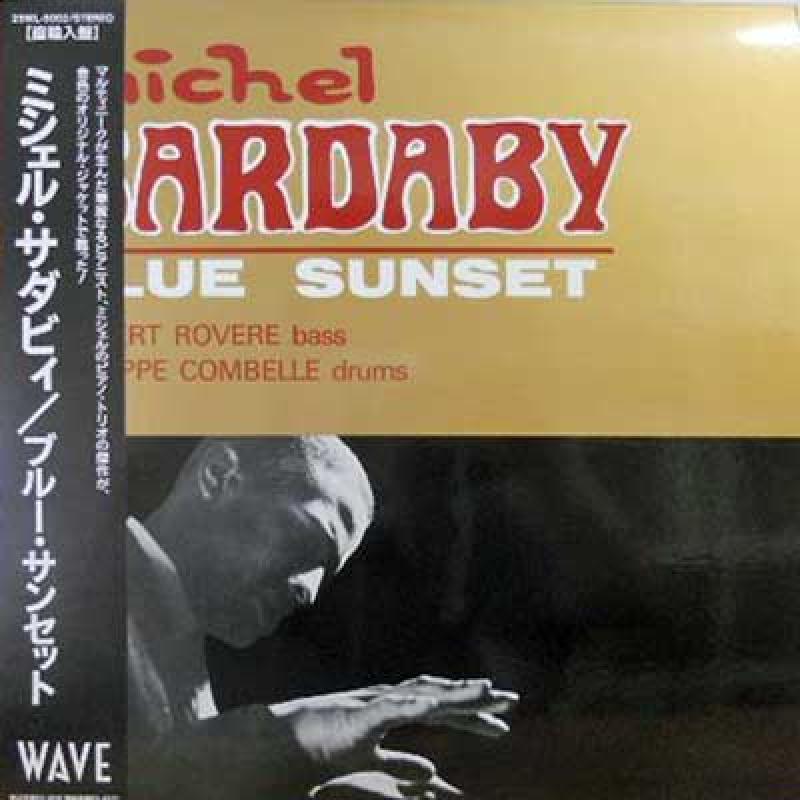
Michel Sardaby es un pianista nacido en 1935 en
Fort-de-France, Isla Martinica, un departamento de ultramar francés ubicado al
norte de Santa Lucía, en aguas del Mar del Caribe. El pequeño Michel aprendió a
tocar el piano a los 5 años en una brasseria que su padre regentaba en dicha
localidad y cuando solo contaba con 10 ya era un experto pianista dotado de una
habilidad y un lirismo que llamó la atención de la gente de su entorno.
Su carrera comienza en los años cincuenta coincidiendo con el momento en que
su familia se traslada a vivir a Paris. Estudia piano en la Ecole Boulle y para
cuando acaba con su formación se encuentra en una ciudad en pleno apogeo
jazzístico. Es el año 1956, momento en el cual la presencia de músicos
norteamericanos era muy frecuente en la capital francesa donde, además, existía
una amplísimo tejido musical en forma de locales nocturnos y clubs de jazz. Ese
generoso escenario da a Michel la oportunidad de tocar con algunos de los más
destacados miembros de la élite del jazz estadounidense como Dexter Gordon,
T-Bone Walker, Sonny Criss, Kenny Clarke, Ben Webster, JJ Johnson, Chet Baker,
Art Taylor, Jimmy Gourley y también con muchas de las figuras más destacadas
del jazz europeo como Guy Lafitte, Rene Thomas y Pierre Michelot.
Su formato favorito y el más habitual en la gran mayoría de sus grabaciones
es el trio, siempre con unas secciones rítmicas muy poderosas y bien escogidas.
En Night Cap, su debut en el año 1970 ya contó con Percy Heath y Connie Kay.
Para Gail (1974) Sardaby se hizo con los servicios de Richard Davis y Billy
Hart y en Going Places (1984) tocó junto a Rufus Reid y Smitty Marvin Smith. En
Classics and Ballads (1996) le acompañarían Buster Williams y Ben Riley y en
Intense Moment (1997), quizás uno de sus trabajos más inspirados de esa década,
Reggie Johnson y John Betsch . Todo y así Sardaby se siente también cómodo
trabajando con un quinteto como demostró en el precioso directo Straight On
(1992), el larga duración que le reportó uno de sus mayores éxitos junto a
Gail. Otros trabajos de Sardaby son Blue Sunset (1970), Night Blossom (1990),
Karen (2003) y At Home Tribute to my Father (2004).
http://jazzfunkbossaok.blogspot.com.ar/2011/03/caribbean-duet-1984-de-michel-sardaby-y.html
Michel Sardaby
From Wikipedia, the free encyclopedia
Michel Sardaby (born 4 September 1935) is a French jazz pianist.
Born in Fort-de-France, Martinique, he moved to Paris, where in March 1967, he was one of the pianists, the others being Joe "Stride" Turner, Errol Parker, Claude Bolling, Stuart de Silva, and Aaron Bridgers, accompanied on some tracks by bassist John Lamb, among others, who recorded the 90-minute session known as Tape for Billy, dedicated to Billy Strayhorn, who was in hospital. Duke Ellington, also in Paris, personally supervised the recording, although he didn't actually perform on it himself, and wanted to use the proceeds from its sale to create a Billy Strayhorn scholarship in Paris, similar to the one at Juilliard in New York.
In 1970, he led a trio comprising Percy Heath and Connie Kay which appeared on his debut album, Night Cap.
A 1972 New York recording has him leading a line-up comprising Richard Davis, Billy Cobham and Ray Barretto (Sound Hills Records 1997).
His 1974 album, Gail, won the 1976 Prix Boris Vian.[3] For his 1989 album, Going Places, he was accompanied by Rufus Reid and Marvin "Smitty" Smith, and in 1993, he recorded with his quintet comprising Ralph Moore, Louis Smith, Peter Washington and Tony Reedus.
Review by Stephen Thomas Erlewine
Good Deal is a typically fine record from the Three Sounds, who were beginning to hit their stride when this session was recorded in May of 1959. Like most of their records, it's laidback -- even when the group works a swinging tempo, there's a sense of ease that keeps the mood friendly, relaxed and mellow. Balancing standards like "Satin Doll," "Soft Winds" and "That's All" with bop ("Robbin's Nest" ), calypso ("St. Thomas" ) and originals, the Three Sounds cover a lot of stylistic territory, putting their distinctive stamp on each song. It's very accessible, pleasant soul-jazz and mainstream hard bop, but Gene Harris' masterful technique means that Good Deal rewards close listening as well.
Jazz is the most colorful and varied art form in the world and it was
born in one of the most colorful and varied cities, New Orleans. From
the seed first planted by slave dances held in Congo Square and nurtured
by early ensembles led by Buddy Belden and Joe "King" Oliver, jazz
began its long winding odyssey across America and around the world,
giving flower to a thousand different forms--swing, bebop, cool jazz,
jazz-rock fusion--and a thousand great musicians. Now, in The History of Jazz,
Ted Gioia tells the story of this music as it has never been told
before, in a book that brilliantly portrays the legendary jazz players,
the breakthrough styles, and the world in which it evolved.
Here are
the giants of jazz and the great moments of jazz history--Jelly Roll
Morton ("the world's greatest hot tune writer"), Louis Armstrong (whose
O-keh recordings of the mid-1920s still stand as the most significant
body of work that jazz has produced), Duke Ellington at the Cotton Club,
cool jazz greats such as Gerry Mulligan, Stan Getz, and Lester Young,
Charlie Parker's surgical precision of attack, Miles Davis's 1955
performance at the Newport Jazz Festival, Ornette Coleman's experiments
with atonality, Pat Metheny's visionary extension of jazz-rock fusion,
the contemporary sounds of Wynton Marsalis, and the post-modernists of
the Knitting Factory. Gioia provides the reader with lively portraits of
these and many other great musicians, intertwined with vibrant
commentary on the music they created. Gioia also evokes the many worlds
of jazz, taking the reader to the swamp lands of the Mississippi Delta,
the bawdy houses of New Orleans, the rent parties of Harlem, the
speakeasies of Chicago during the Jazz Age, the after hours spots of
corrupt Kansas city, the Cotton Club, the Savoy, and the other locales
where the history of jazz was made. And as he traces the spread of this
protean form, Gioia provides much insight into the social context in
which the music was born. He shows for instance how the development of
technology helped promote the growth of jazz--how ragtime blossomed
hand-in-hand with the spread of parlor and player pianos, and how jazz
rode the growing popularity of the record industry in the 1920s. We also
discover how bebop grew out of the racial unrest of the 1940s and '50s,
when black players, no longer content with being "entertainers," wanted
to be recognized as practitioners of a serious musical form. Jazz is a
chameleon art, delighting us with the ease and rapidity with which it
changes colors. Now, in Ted Gioia's The History of Jazz, we
have at last a book that captures all these colors on one glorious
palate. Knowledgeable, vibrant, and comprehensive, it is among the small
group of books that can truly be called classics of jazz literature.